
Understanding Ovarian Cysts
Ovarian cysts are extremely common and, in most cases, completely harmless — but the right evaluation matters.
An ovarian cyst is a fluid-filled sac that forms in or on the surface of an ovary. Most women develop at least one cyst at some point during their lives, and the majority are functional cysts that form naturally during the menstrual cycle and disappear on their own within a few weeks or months.
However, some cysts can grow large, persist beyond a few cycles, or cause pain and other symptoms that need medical attention. At Sanjeevini Maternity & Fertility Centre, we offer complete evaluation and a personalised treatment plan based on cyst type, size, symptoms, and your future fertility goals.
Quick Facts About Ovarian Cysts
- Most ovarian cysts are benign and resolve without treatment
- Common during reproductive years due to natural ovulation cycles
- Regular monitoring with ultrasound tracks growth or resolution
- Treatable with options ranging from watchful waiting to laparoscopic surgery
Types of Ovarian Cysts
Ovarian cysts are classified based on how they form and the tissue they are made of.
Functional Cysts
The most common type — follicular or corpus luteum cysts that form during a normal menstrual cycle and usually resolve on their own.
Dermoid Cysts
Develop from egg cells and can contain tissue such as hair, skin or fat; usually benign but often require surgical removal.
Endometriomas
Also known as "chocolate cysts," form when endometrial tissue grows on the ovary, often linked to endometriosis and infertility.
Cystadenomas
Develop from ovarian tissue and can grow quite large, sometimes causing pressure on nearby pelvic organs.
Symptoms & When to Seek Care
Many ovarian cysts cause no symptoms at all — but when they do, prompt evaluation helps prevent complications.
Pelvic Pain
Dull ache or sharp pain in the lower abdomen, often on one side
Irregular Periods
Cysts can disrupt the normal hormonal cycle, causing irregular bleeding
Bloating & Fullness
A persistent feeling of abdominal bloating, swelling or heaviness
Frequent Urination
Cysts pressing on the bladder can increase urination frequency
Pain During Intercourse
Discomfort or pain during or after sexual activity
Difficulty Conceiving
Certain cyst types like endometriomas can interfere with fertility
When to Seek Immediate Care
Seek urgent evaluation for sudden, severe abdominal pain, pain with fever or vomiting, or dizziness — these can indicate a ruptured or twisted cyst that needs prompt medical attention.
Diagnosis & Evaluation
A precise, step-by-step evaluation to identify the type, size and nature of the cyst before recommending treatment.

Detailed Consultation & Pelvic Exam
We begin with a thorough review of your menstrual history, symptoms, and a pelvic examination to check for tenderness or swelling near the ovaries.
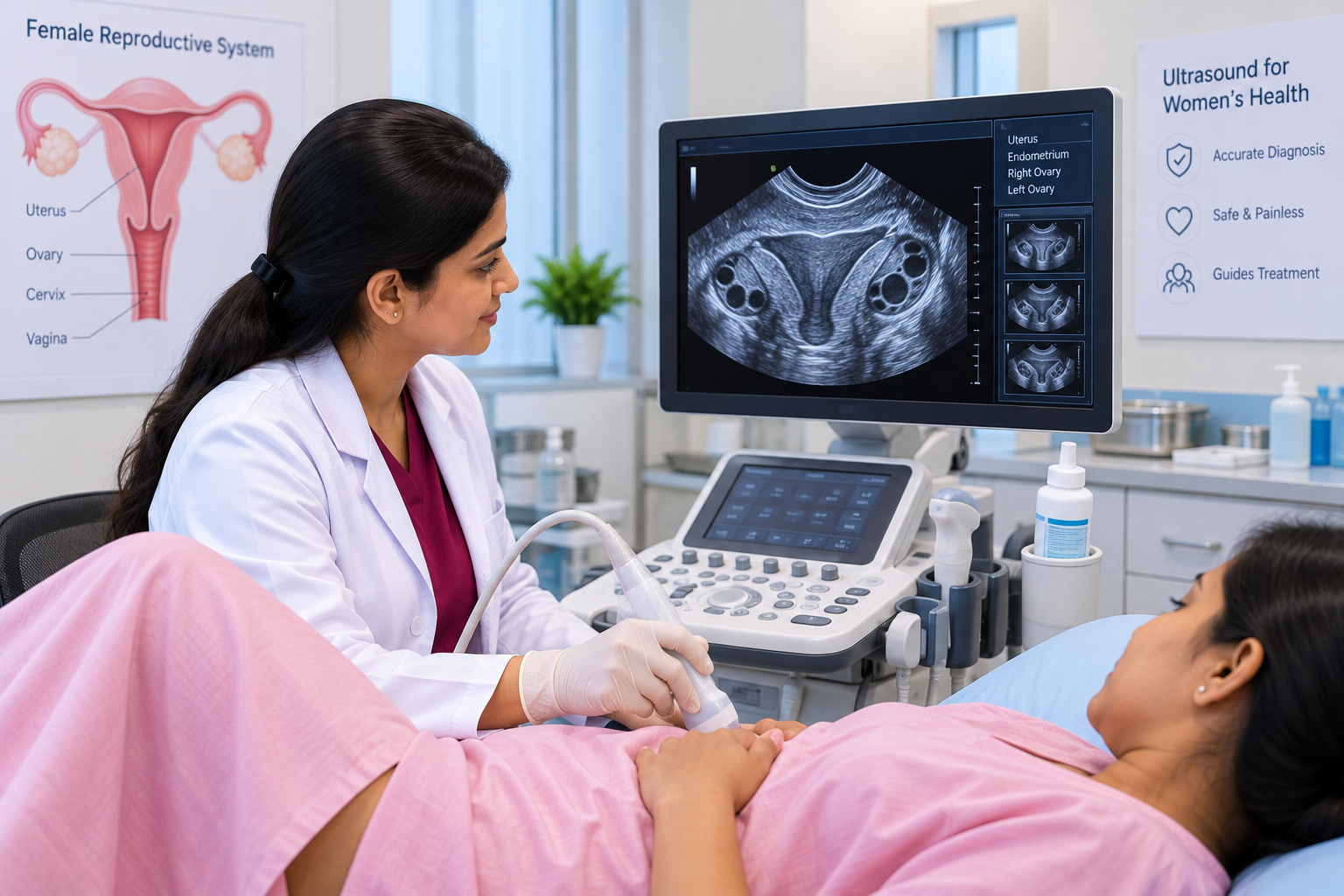
Transvaginal & Pelvic Ultrasound (USG)
Ultrasound imaging confirms the presence, size, structure, and likely type of the cyst — solid, fluid-filled, or complex.
Hormonal & Tumour Marker Blood Tests
Blood tests such as CA-125 and hormone panels help assess the nature of the cyst and rule out other underlying conditions.

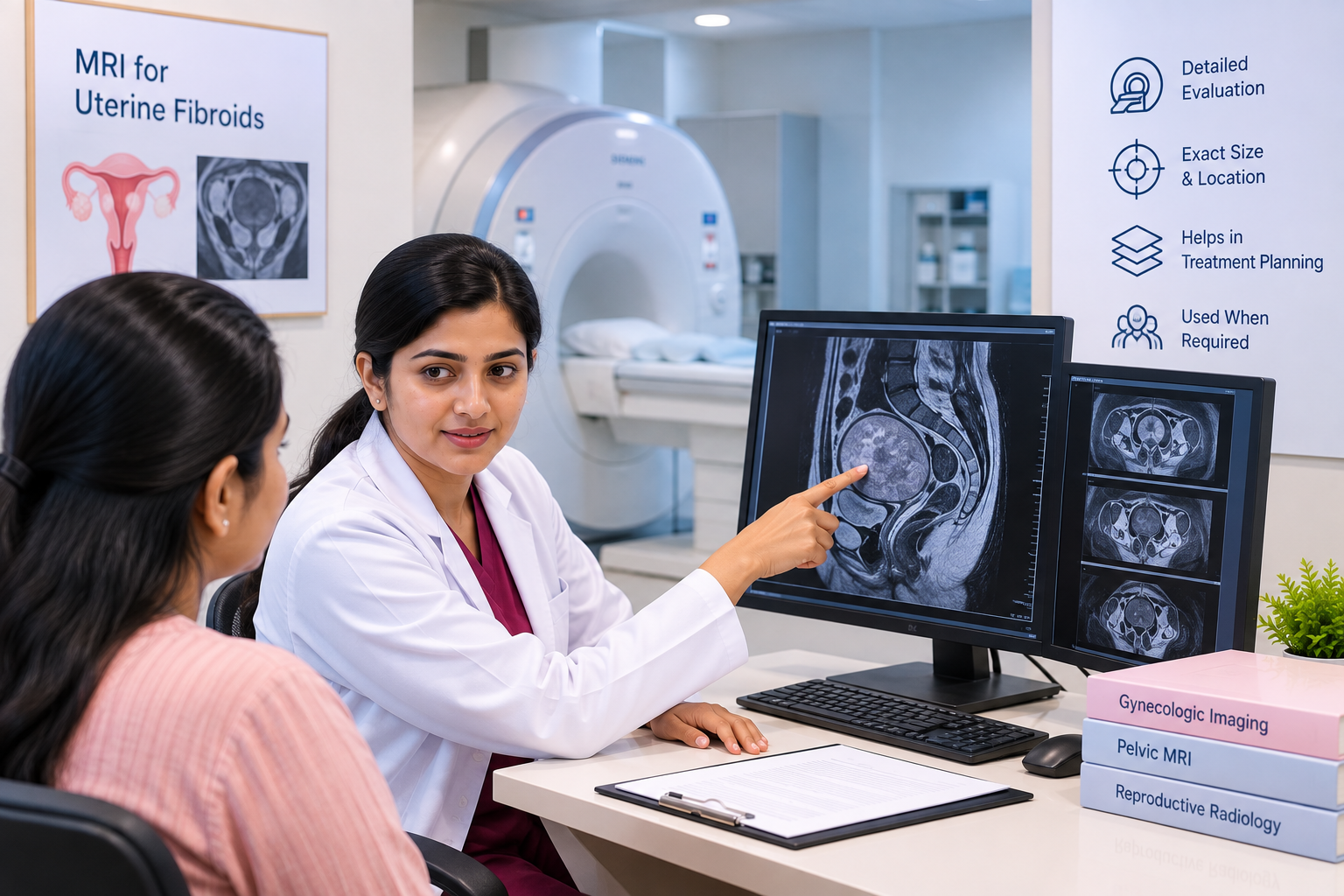
MRI & Advanced Imaging (If Needed)
For complex or persistent cysts, MRI provides a more detailed evaluation to guide surgical planning when necessary.

Personalised Treatment Planning
Based on cyst type, size, symptoms, and your fertility goals, our specialists recommend the most suitable path — from watchful monitoring to laparoscopic cystectomy.
Our Specialists
Experienced gynaecologists dedicated to accurate diagnosis and compassionate ovarian cyst care.
Dr. Vasundhari M.J.
Gynaecologist & Fertility SpecialistLeads comprehensive ovarian cyst evaluation and treatment at Sanjeevini Maternity & Fertility Centre, with a focus on fertility-conscious care for women planning a family.
Dr. Apoorva
GynaecologistProvides expert consultation and management for ovarian cysts, focusing on symptom relief, minimally invasive options, and personalised women's healthcare.
Frequently Asked Questions
Answers to the most common questions about ovarian cysts and their treatment.
What is an ovarian cyst?
An ovarian cyst is a fluid-filled sac that develops in or on an ovary. Most cysts are harmless, form as part of the normal menstrual cycle, and resolve on their own without treatment.
Are ovarian cysts dangerous?
Most ovarian cysts are benign and resolve naturally. However, some can grow large, twist, rupture, or indicate an underlying condition, so persistent or unusual cysts should always be evaluated by a specialist.
Can ovarian cysts affect fertility?
Simple functional cysts usually don't affect fertility. However, certain types like endometriomas or large complex cysts can impact ovarian reserve and function, making early evaluation important for women planning a pregnancy.
Do all ovarian cysts require surgery?
No. Many cysts are monitored with regular ultrasounds and resolve on their own within a few menstrual cycles. Surgery is considered only for large, persistent, complex, or symptomatic cysts.
How are ovarian cysts diagnosed?
Ovarian cysts are diagnosed through pelvic examination, transvaginal ultrasound, and sometimes blood tests or MRI to determine the cyst's type, size, and whether further treatment is needed.