
Understanding Menopause
A natural life stage every woman experiences — one that deserves informed, compassionate care.
Menopause is a natural biological process that marks the end of a woman's menstrual cycles, typically occurring between the ages of 45 and 55. It is officially confirmed after 12 consecutive months without a menstrual period, as the ovaries gradually produce less estrogen and progesterone.
While menopause itself is a normal transition, it can bring a range of physical and emotional changes. At Sanjeevini Maternity & Fertility Centre, we help women navigate this phase with personalised evaluation, symptom management, and long-term health guidance.
Quick Facts About Menopause
- Average age of natural menopause in India is around 46–48 years
- Caused by a gradual decline in ovarian hormone production
- Symptoms can begin years before periods actually stop
- Manageable with lifestyle changes, therapy, and regular monitoring
Menopause Stages
Menopause unfolds gradually across three distinct stages, each with its own hormonal changes and symptoms.
Perimenopause
The transition phase leading up to menopause, marked by fluctuating hormones, irregular periods, and early symptoms like hot flashes.
Menopause
Confirmed after 12 consecutive months without a period, marking the point when the ovaries have stopped releasing eggs.
Postmenopause
The years following menopause, when symptoms often ease but long-term health monitoring for bone and heart health becomes important.
Symptoms & When to Seek Care
Menopause symptoms vary from woman to woman — understanding them helps you manage this transition with confidence.
Hot Flashes
Sudden feelings of warmth, often with flushing and sweating
Night Sweats
Episodes of heavy sweating during sleep, disrupting rest
Irregular Periods
Cycles that become shorter, longer, lighter or heavier than usual
Mood Changes
Increased irritability, anxiety, or low mood during the transition
Sleep Disturbances
Difficulty falling or staying asleep, often linked to night sweats
Bone & Joint Changes
Reduced bone density and joint discomfort due to hormonal shifts
When to Seek Care
Consult a specialist if symptoms significantly disrupt daily life, you experience bleeding after 12 months without a period, or you'd like guidance on managing long-term bone and heart health during this transition.
Evaluation, Treatment & Management
A structured approach to help you navigate menopause comfortably and safeguard your long-term health.

Detailed Consultation & Symptom Review
We begin with a thorough review of your menstrual history, symptom pattern, and overall health to understand your stage of menopause.
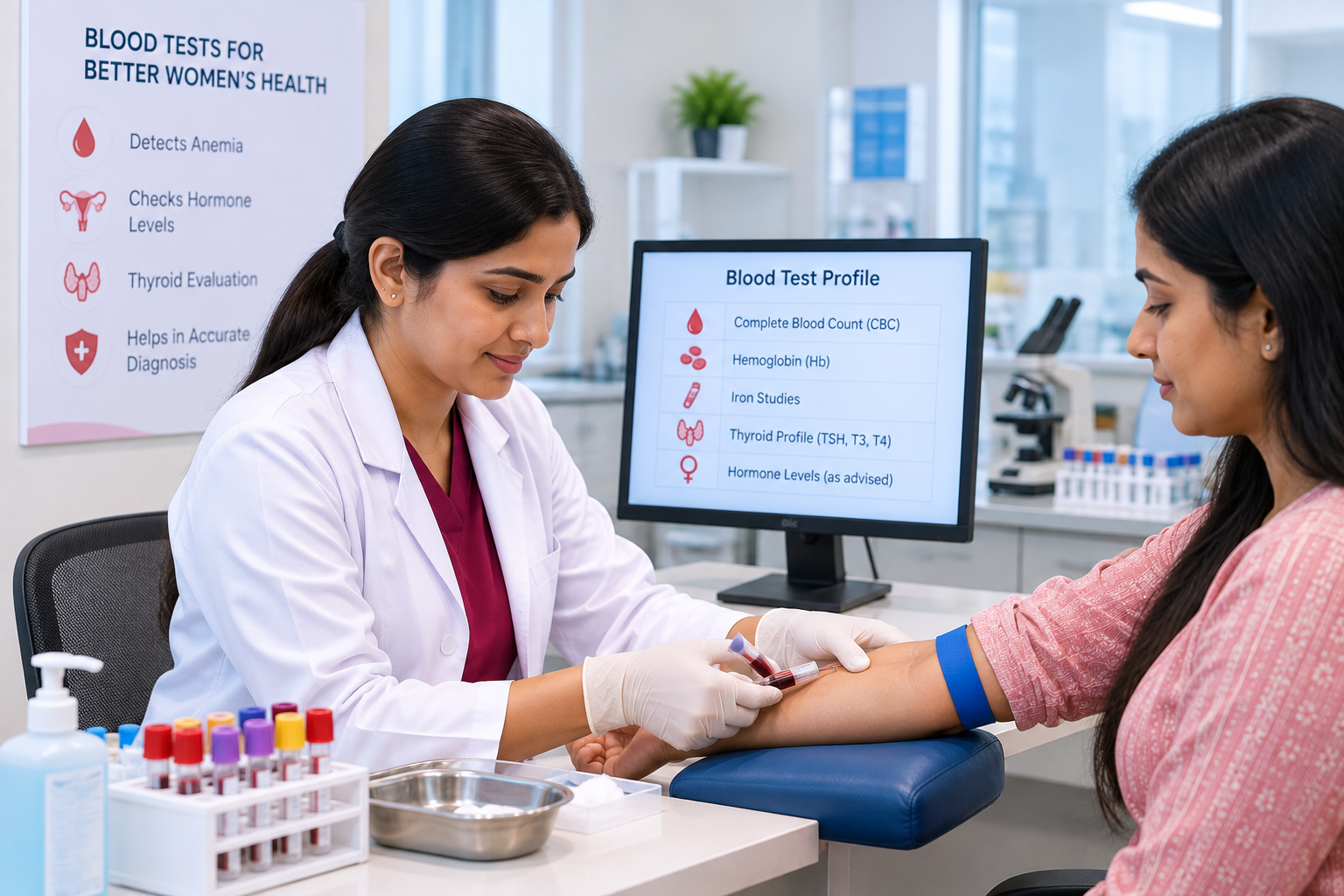
Hormonal & Blood Tests
Blood tests measure hormone levels such as FSH and estrogen to confirm the menopausal stage and guide treatment decisions.

Bone Density & Cardiovascular Screening
As estrogen declines, bone and heart health need extra attention — screening helps detect and prevent osteoporosis and related risks early.

Diet, Exercise & Lifestyle Guidance
Personalised nutrition and activity recommendations to manage weight, support bone strength, and ease symptoms naturally.

Hormone Therapy & Symptom Management
When appropriate, hormone replacement therapy or non-hormonal treatments are offered to relieve hot flashes, mood changes and other symptoms, tailored to your health profile.
Our Specialists
Experienced gynaecologists dedicated to guiding you through every stage of menopause with care.
Dr. Vasundhari M.J.
Gynaecologist & Fertility SpecialistLeads comprehensive menopause evaluation and management at Sanjeevini Maternity & Fertility Centre, supporting women through every stage of this transition.
Dr. Apoorva
GynaecologistProvides expert consultation and management for menopausal symptoms, focusing on personalised care and long-term wellbeing.
Frequently Asked Questions
Answers to the most common questions about menopause and its management.
What is menopause?
Menopause is a natural biological process marking the end of a woman's menstrual cycles, confirmed after 12 consecutive months without a period, typically occurring between ages 45 and 55.
What is the difference between perimenopause and menopause?
Perimenopause is the transition phase leading up to menopause, marked by fluctuating hormones and irregular periods. Menopause itself is confirmed once periods have stopped completely for 12 months.
What are the common symptoms of menopause?
Common symptoms include hot flashes, night sweats, irregular periods, mood changes, sleep disturbances, vaginal dryness, and reduced bone density.
Is hormone therapy safe for managing menopause symptoms?
Hormone therapy can be safe and effective for many women when properly evaluated and monitored by a specialist, who will consider individual health history and risk factors before recommending it.
How long do menopause symptoms last?
Symptom duration varies widely between women, lasting anywhere from a few months to several years, with some symptoms like vaginal dryness persisting into postmenopause without treatment.