
What Is the ERA Test in Raichur?
ERA, or Endometrial Receptivity Analysis, is a specialised genetic test that examines the lining of the uterus (endometrium) to determine the most receptive day for embryo implantation — often called the "window of implantation." Every woman's window can occur at a slightly different point in her cycle, and even a shift of a day or two can affect whether an embryo implants successfully.
By analysing the expression of hundreds of genes linked to endometrial receptivity, the ERA test tells us whether your endometrium is receptive, pre-receptive, or post-receptive at the time of biopsy — allowing our fertility specialists to personalise the exact timing of your embryo transfer for the best possible chance of implantation.
At a Glance
- 01A quick endometrial biopsy performed in a mock or medicated cycle
- 02Gene expression analysis identifies your personal implantation window
- 03Results classify the endometrium as receptive or non-receptive
- 04Your next embryo transfer is timed precisely around the result
Who May Need an ERA Test in Raichur?
ERA testing is especially useful in specific fertility treatment situations. Here are some of the most common reasons our specialists recommend it.
Recurrent Implantation Failure
Women who have had multiple failed embryo transfers despite good-quality embryos may benefit from identifying their true implantation window.
Unexplained IVF Failure
When no clear cause is found for previous unsuccessful IVF or FET cycles, ERA can rule out timing as a contributing factor.
Before Frozen Embryo Transfer
Couples planning a frozen embryo transfer (FET) may choose ERA proactively to optimise timing from the very first attempt.
Using Donor Eggs or Embryos
Since donor-egg or donor-embryo cycles are often high-investment attempts, precise transfer timing can add an extra layer of confidence.
After PGT-Tested Embryos
When transferring a single genetically normal (euploid) embryo, ensuring the timing is precise helps make the most of that one embryo.
Personalised Treatment Planning
Some patients simply prefer a data-driven approach to embryo transfer timing rather than relying on standard protocol days.
How ERA Works
A step-by-step look at the ERA testing process at Sanjeevini Hospital, from cycle preparation to a personalised transfer plan.
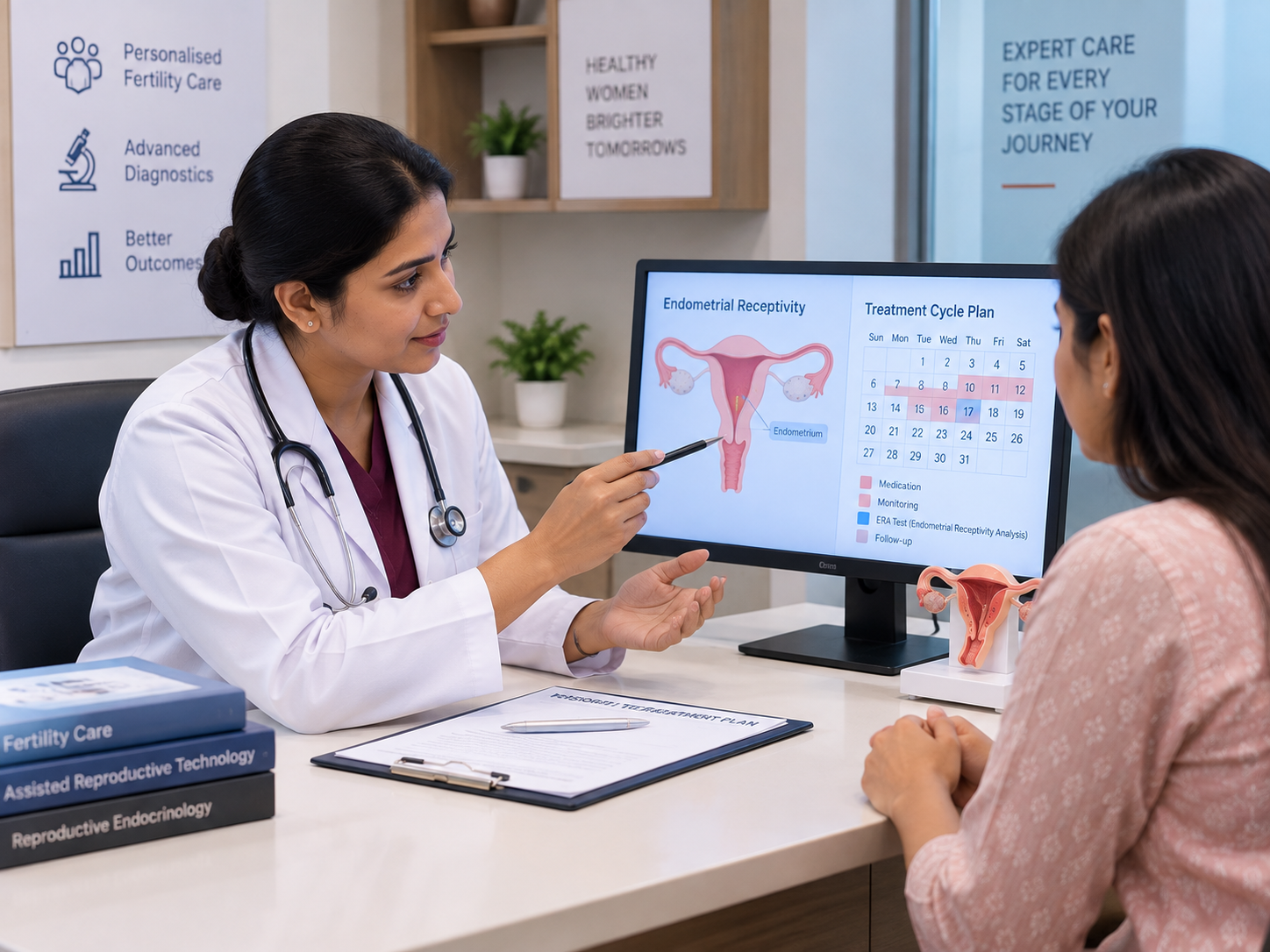
Consultation & Cycle Planning
Your fertility specialist reviews your treatment history and plans a mock cycle that mirrors the hormonal preparation you would follow for a real embryo transfer.

Hormonal Preparation
You take oestrogen and progesterone, following the same protocol timing planned for your future frozen embryo transfer, so the endometrium develops naturally.
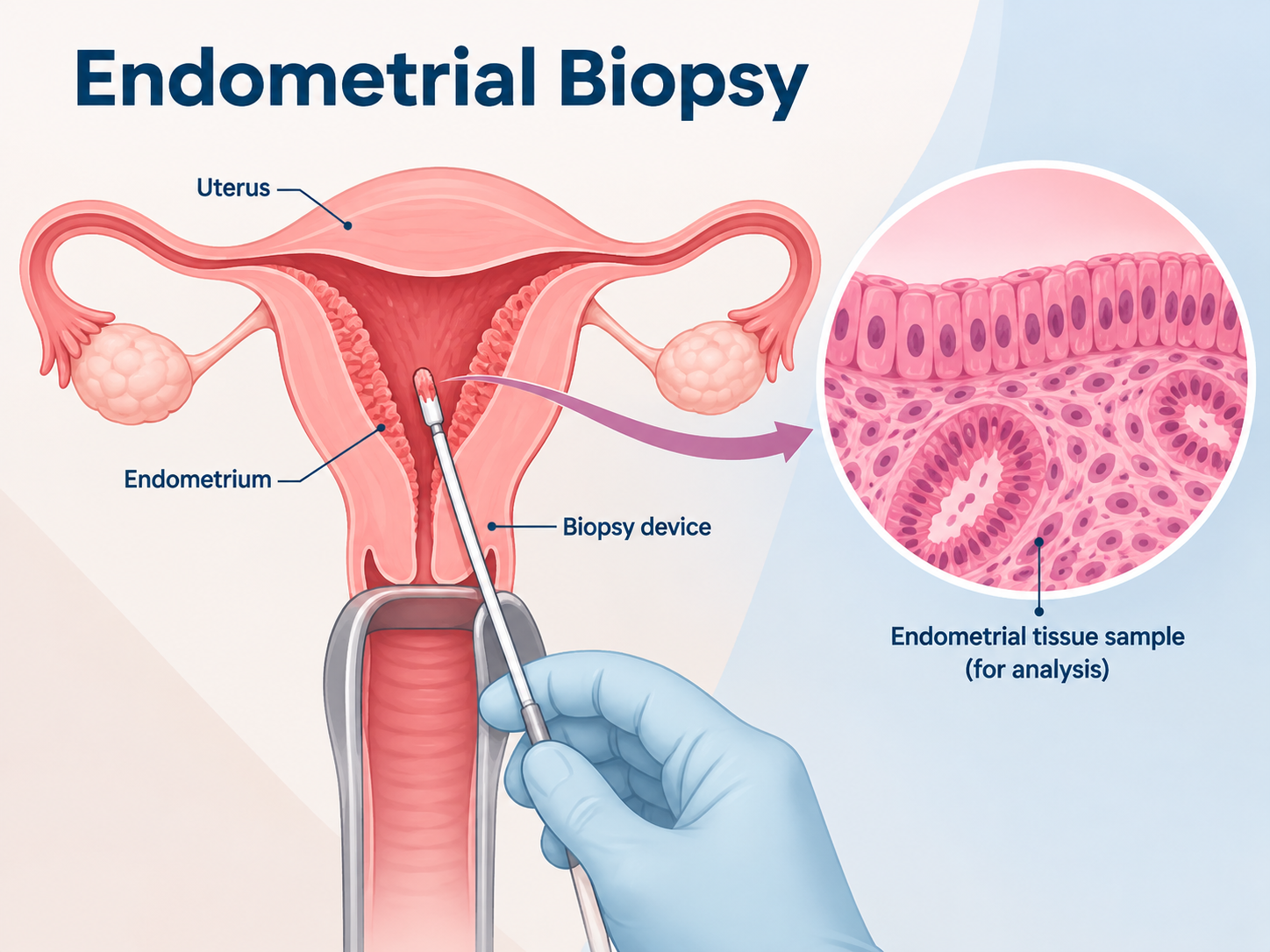
Endometrial Biopsy
On the day equivalent to your planned transfer day, a small, quick tissue sample is taken from the endometrial lining — a brief procedure usually completed within minutes.
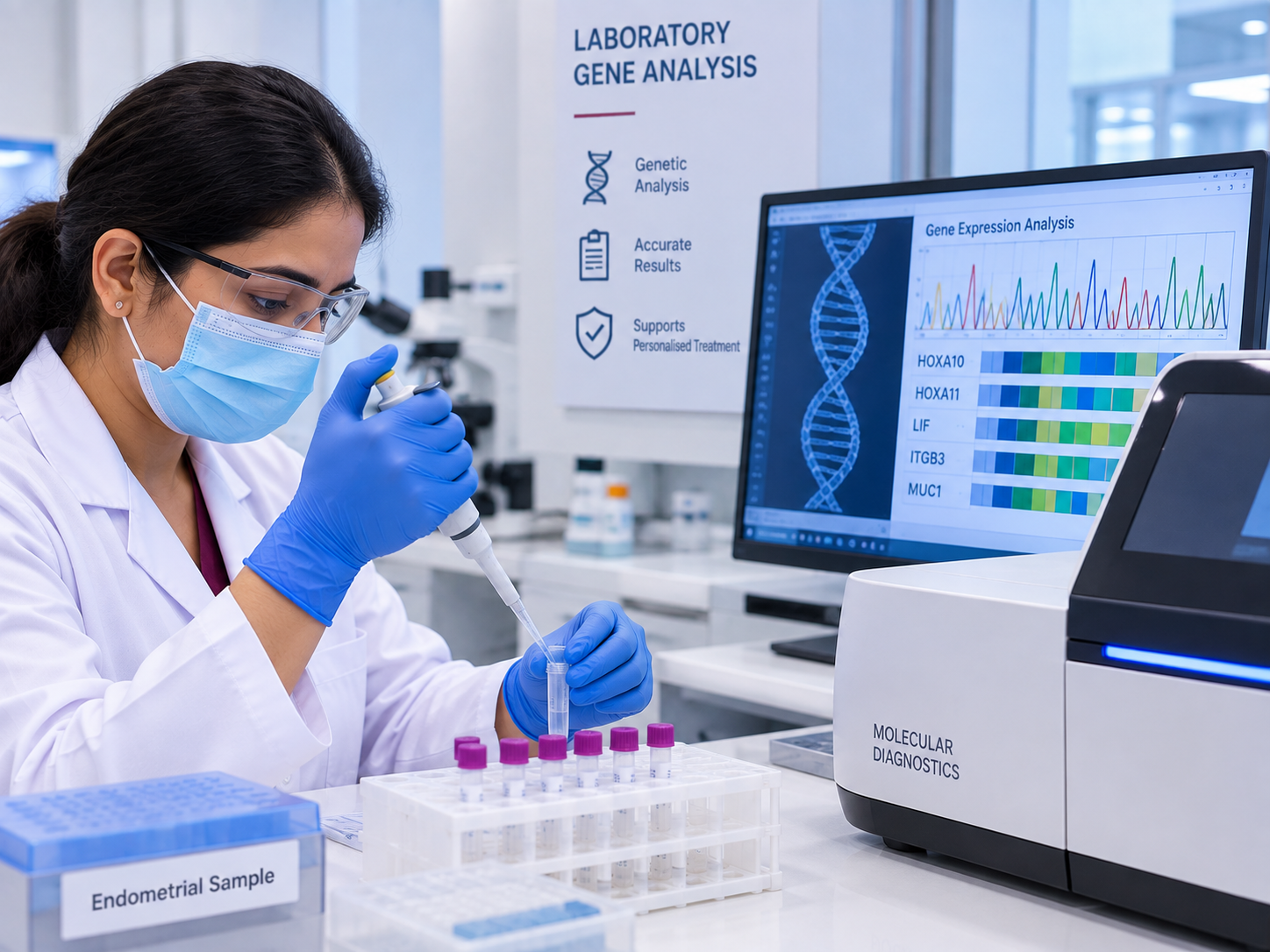
Laboratory Gene Analysis
The tissue sample is sent to a specialised genetics lab, where expression of hundreds of receptivity-related genes is analysed using next-generation sequencing.
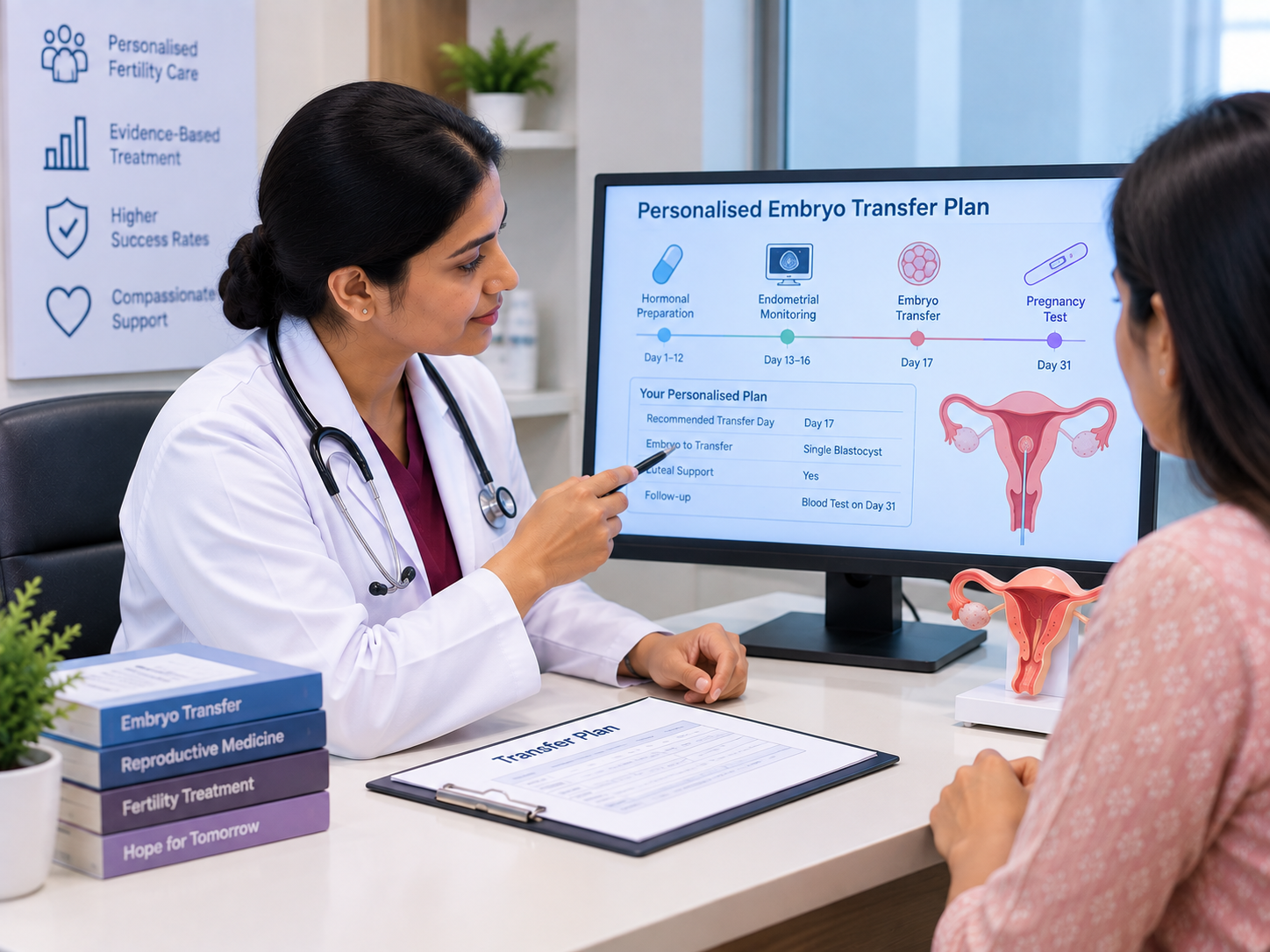
Receptivity Report
The lab generates a report classifying your endometrium as receptive, pre-receptive, or post-receptive at the time of biopsy, along with a recommended adjustment in hours or days.
Personalised Transfer Plan
Your fertility specialist uses the report to schedule your next embryo transfer at the precise, personalised day of your implantation window.
Understanding the Results
Your ERA report translates complex gene-expression data into a clear, actionable recommendation for your next embryo transfer.
- Receptive: Your endometrium was receptive at the time of biopsy — your standard transfer-day timing is likely ideal.
- Pre-Receptive: The window occurs later than tested — progesterone exposure is extended before your next transfer.
- Post-Receptive: The window occurs earlier than tested — progesterone exposure is shortened before your next transfer.
- Personalised pET: Your future frozen embryo transfer (pET) is scheduled using this adjusted timing for a receptive endometrium.
- Specialist Review: Our fertility team walks you through your report in detail and answers all your questions before your next cycle.
Frequently Asked Questions
The most common questions patients ask about the ERA test at Sanjeevini Hospital.
Ready to Talk to a Fertility Specialist?
Book a confidential consultation at Sanjeevini Hospital to understand if the ERA test is right for you.
Book a Consultation