
Understanding Uterine Fibroids
Fibroids are among the most common non-cancerous growths affecting women's reproductive health.
Uterine fibroids, also known as leiomyomas or myomas, are non-cancerous growths made of muscle and fibrous tissue that develop in or around the uterus. They vary widely in size — from as small as a seed to as large as a melon — and a woman may have one or multiple fibroids at the same time.
Fibroids are extremely common, especially in women between 30–50 years of age, and many women have them without ever knowing, as they often cause no symptoms. At Sanjeevini Maternity & Fertility Centre, we offer complete evaluation and a personalised treatment plan based on your symptoms, fibroid type, and future fertility goals.
Quick Facts About Fibroids
- Affect up to 70–80% of women by age 50, though many stay symptom-free
- Growth is influenced by hormones like estrogen and progesterone
- Not cancerous and rarely turn into cancer
- Treatable with options ranging from monitoring to minimally invasive surgery
Types of Fibroids & Their Location
Fibroids are classified based on where they grow within or around the uterine wall.
Intramural Fibroids
The most common type — grow within the muscular wall of the uterus and can cause the uterus to enlarge.
Subserosal Fibroids
Develop on the outer surface of the uterus and can grow large enough to press on nearby organs.
Submucosal Fibroids
Grow just beneath the uterine lining, often causing heavy bleeding and affecting fertility.
Pedunculated Fibroids
Attached to the uterus by a thin stalk, these can grow inside the cavity or outside the uterus.
Symptoms & When to Seek Care
Not all fibroids cause symptoms — but when they do, early evaluation makes treatment simpler and more effective.
Heavy Menstrual Bleeding
Prolonged or unusually heavy periods, sometimes with clots
Prolonged Periods
Menstrual bleeding that lasts longer than a week
Pelvic Pain or Pressure
A feeling of fullness, pressure, or discomfort in the lower abdomen
Frequent Urination
Fibroids pressing on the bladder can increase urination frequency
Backache or Leg Pain
Pain radiating to the lower back or legs due to fibroid pressure
Difficulty Conceiving
Certain fibroid types can interfere with implantation or fertility
When to Seek Immediate Care
Consult a specialist promptly if you experience very heavy bleeding, severe pelvic pain, anemia-related fatigue, or sudden abdominal swelling — early evaluation helps prevent complications.
Diagnosis & Evaluation
A precise, step-by-step evaluation to identify the size, number and type of fibroids before recommending treatment.
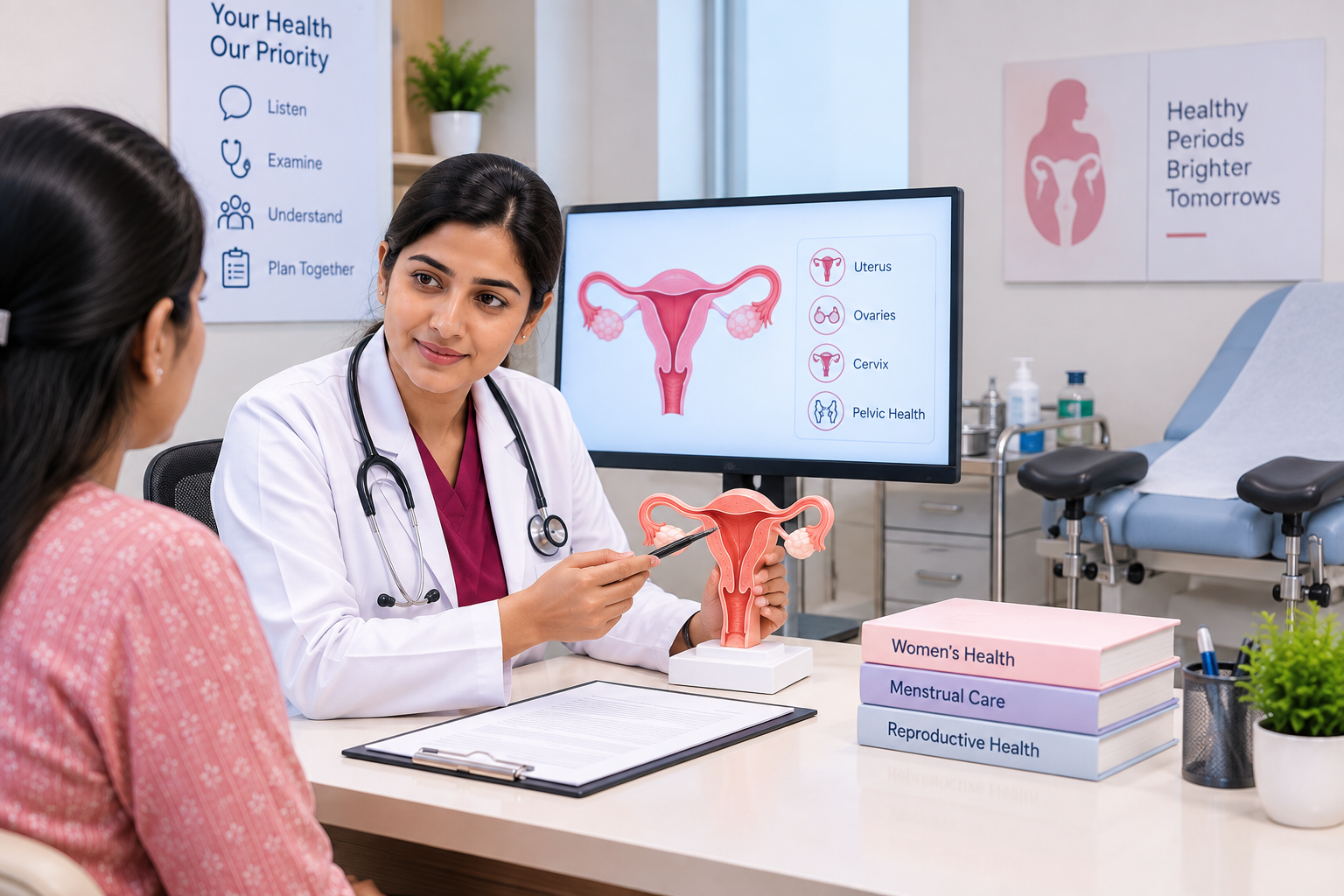
Detailed Consultation & Pelvic Exam
We begin with a thorough review of your menstrual history, symptoms, and a pelvic examination to check for uterine enlargement or tenderness.
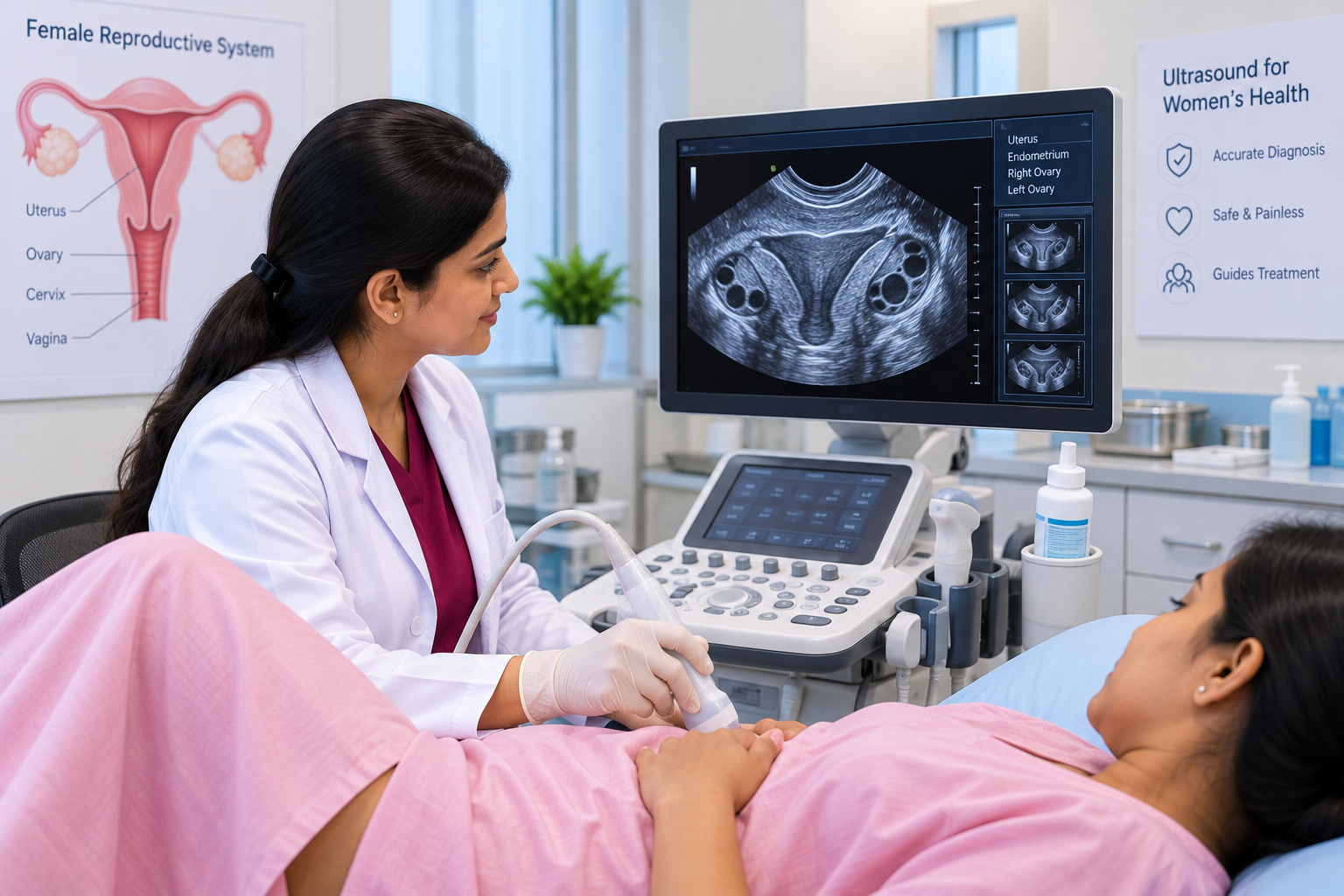
Pelvic & Transvaginal Ultrasound (USG)
Ultrasound imaging confirms the presence, size, number, and exact location of fibroids within or around the uterus.
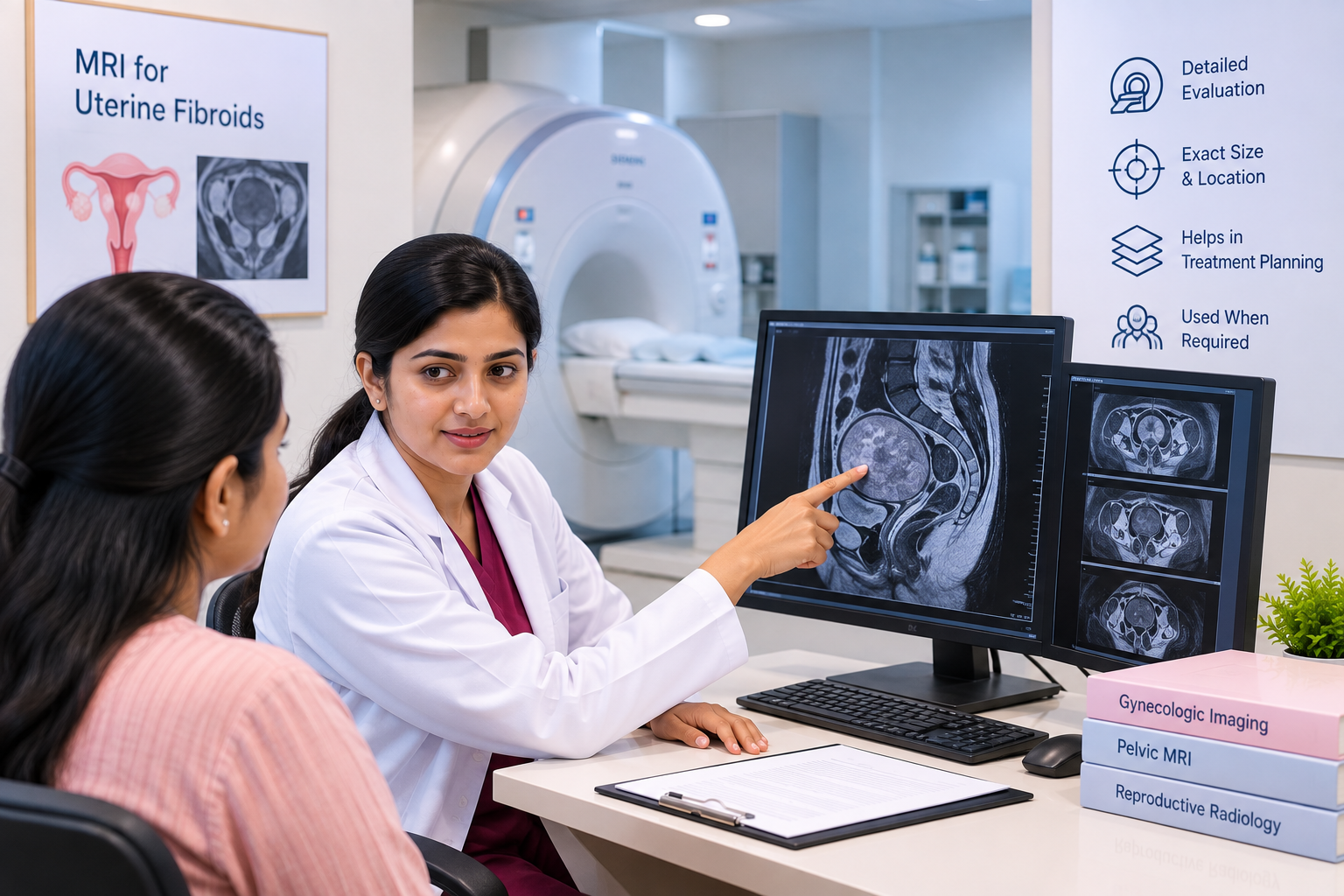
MRI & Advanced Imaging (If Needed)
For complex or multiple fibroids, MRI provides a more detailed map to plan surgery precisely, especially when fertility preservation is a priority.
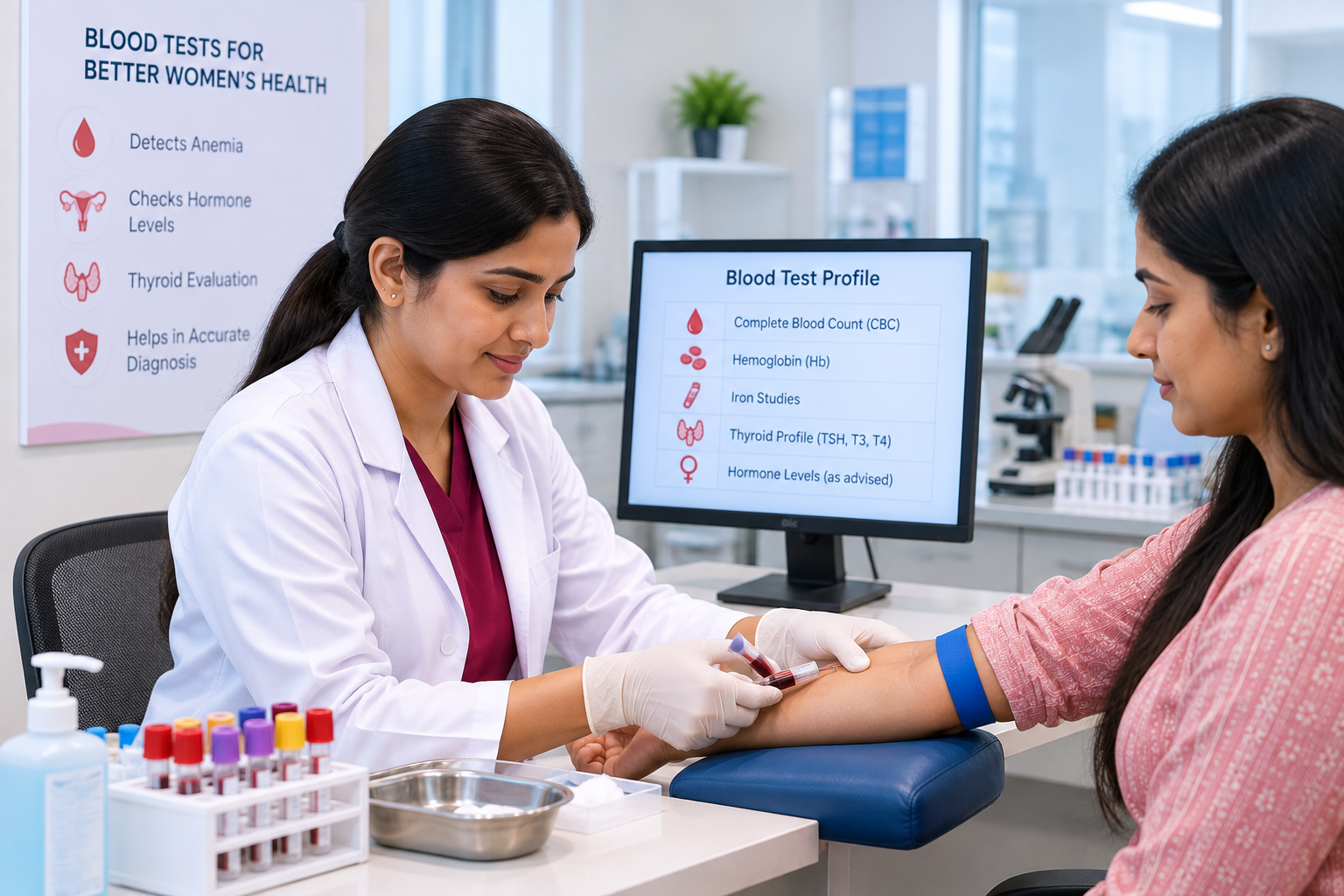
Blood Tests & Anemia Screening
Blood tests assess hemoglobin levels and rule out anemia caused by heavy menstrual bleeding, guiding both diagnosis and treatment urgency.
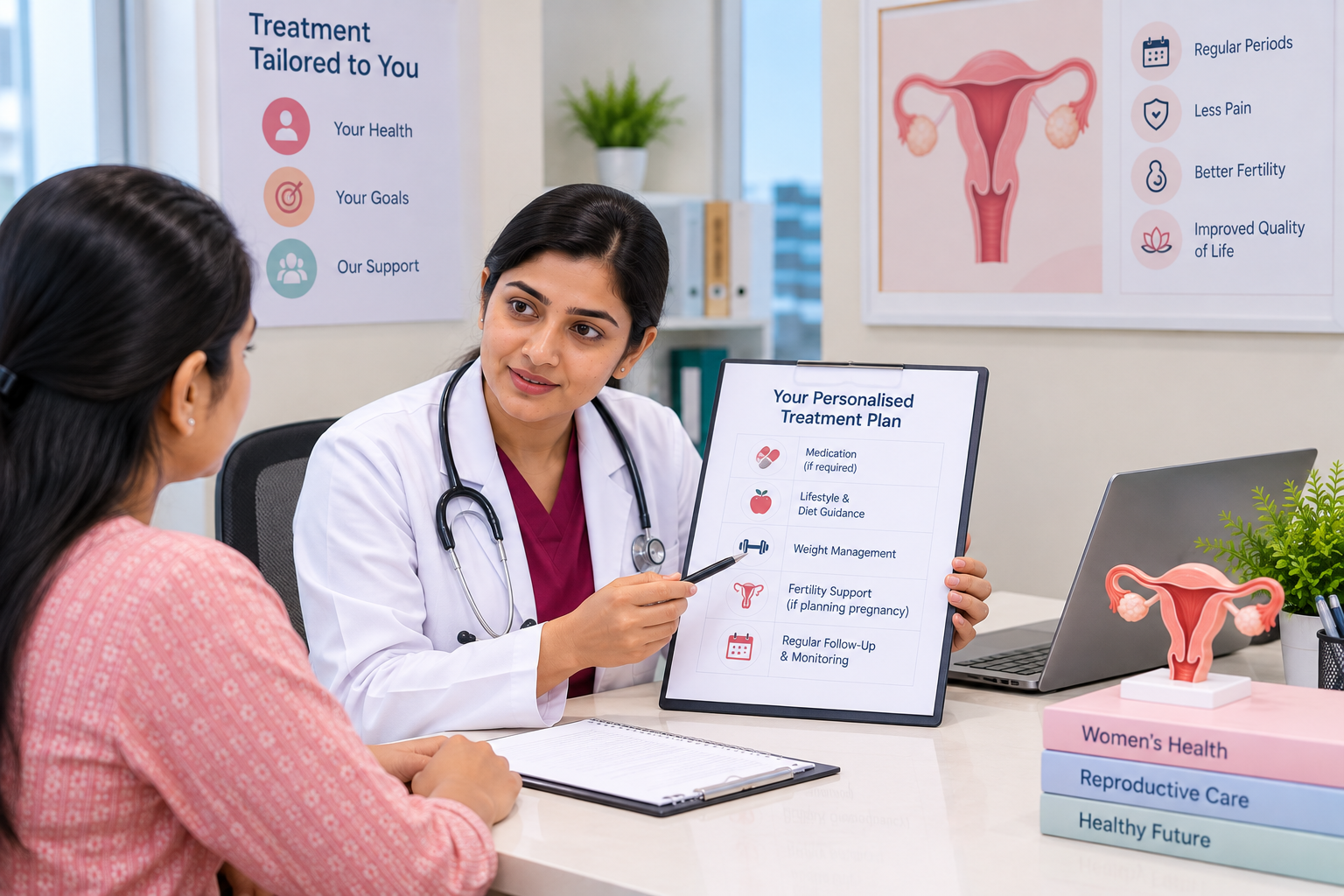
Personalised Treatment Planning
Based on fibroid size, type, symptoms, and your fertility goals, our specialists recommend the most suitable path — from medication to minimally invasive myomectomy.
Our Specialists
Experienced gynaecologists dedicated to accurate diagnosis and compassionate fibroid care.
Dr. Vasundhari M.J.
Gynaecologist & Fertility SpecialistLeads comprehensive fibroid evaluation and treatment at Sanjeevini Maternity & Fertility Centre, with a focus on fertility-conscious care for women planning a family.
Dr. Apoorva
GynaecologistProvides expert consultation and management for uterine fibroids, focusing on symptom relief, minimally invasive options, and personalised women's healthcare.
Frequently Asked Questions
Answers to the most common questions about uterine fibroids and their treatment.
What are uterine fibroids?
Uterine fibroids are non-cancerous growths that develop in or around the uterus, made of muscle and fibrous tissue. They vary in size and location and are very common among women of reproductive age.
Can uterine fibroids affect fertility?
Depending on their size and location, fibroids can interfere with implantation or block the fallopian tubes, potentially affecting fertility. Many women with fibroids conceive successfully with the right treatment plan.
Do all fibroids require surgery?
No. Many fibroids are small, symptom-free, and only require monitoring. Treatment depends on size, location, symptoms, and whether you wish to preserve fertility.
What is the best treatment for uterine fibroids?
Treatment ranges from medication and hormonal therapy to minimally invasive procedures or myomectomy, chosen based on your symptoms, fibroid characteristics, and reproductive goals.
How are fibroids diagnosed?
Fibroids are typically diagnosed through pelvic examination, ultrasound (USG), and in some cases MRI, to determine their size, number and exact location.
Consult Our Fibroid Specialists Today
Book an appointment with Dr. Vasundhari M.J. & Dr. Apoorva at Sanjeevini Maternity & Fertility Centre, Raichur.